
The day Tadej Pogačar became human
For years, we've watched a cycling phenomenon operate on a different plane. A brutal crash during a recent race reminded us that behind the superhuman results lies a very human heart.
A long-range attack. It was less a tactical masterstroke and more an act of casual, terrifying dominance from Tadej Pogačar.
It was another chapter in the legend of the untouchable champion, a rider who operates on a different plane from his peers. We watched, we marvelled, and we filed it away as another data point proving the myth: the man is a machine.
And then, not long after, the machine broke.
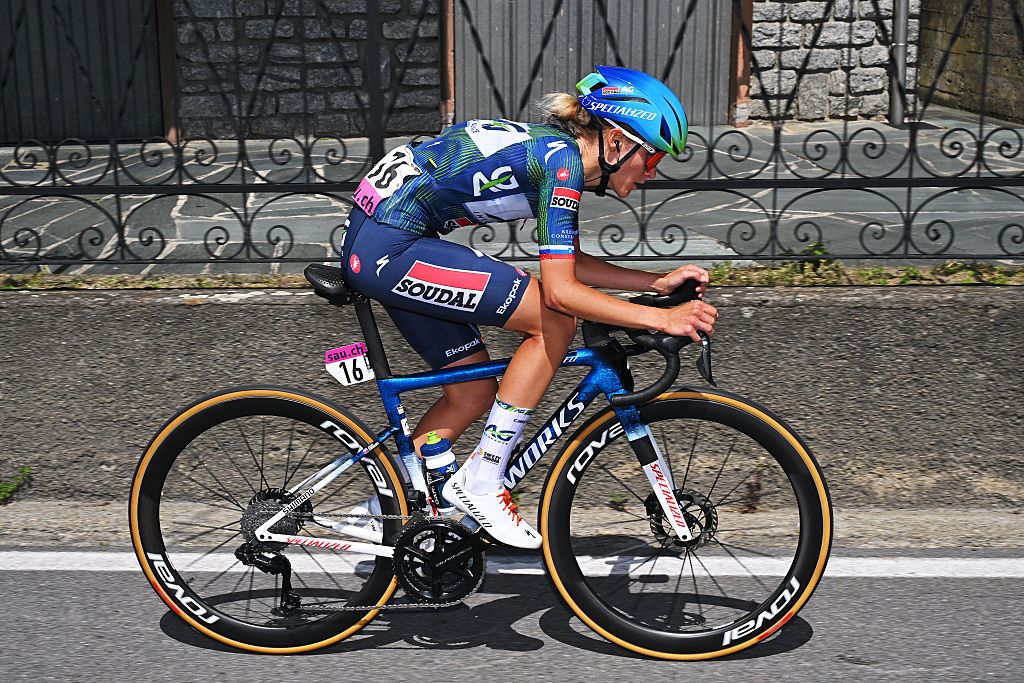
Not on the bike, not in a contest of watts or VAM. The break was internal, emotional. News came through that his partner, Urška Žigart, had crashed hard in her own race, suffering a serious injury that required a trip to the hospital.
The sterile world of professional sport was violently interrupted by the chaos of real life. Reports suggested a word rarely associated with this rider: shaken.
Tadej Pogačar was shaken. The rider who toys with the world's best climbers, who attacks from incomprehensible distances, was rocked not by a rival, but by love and fear. The machine had a heart, and for a moment, it was aching.
The necessary crack in the armour
For a while, Pogačar’s supremacy has risked becoming a problem for his own narrative. His talent is so immense and his victories so frequent that a certain numbness can set in. We become desensitised to the brilliance.
He is expected to win, and when he does, it can feel more like confirmation than celebration. We were watching a video game character with all the cheat codes enabled.
But recent events shattered that illusion. This wasn't a rider processing a tactical error; this was a man worried about the person he loves. His concerns weren't about GC gaps or time bonuses, but about surgery, pain, and recovery.
It was a sudden, violent intrusion of humanity into the hermetically sealed world of the peloton. It was a reminder that these athletes, for all their otherworldly abilities, live lives as messy and complicated as our own.
The myth of the invincible alien is compelling, but it’s also hollow. What we saw was the unveiling of something far more interesting: the man inside the jersey.
A more profound victory
The most telling part of this story isn't that Pogačar was shaken. It's what he did next. By his own team's admission, he was in no mood to race. He got on his bike and continued to perform.
That performance is infinitely more impressive than the dominant ride that preceded it. This is a different kind of strength, one not measured by a power meter. It is the resilience to perform through profound emotional distress, to find focus when your mind is in a hospital room.
This is the victory that matters. It reframes his career. His wins are no longer just the product of a superior physiology, but the achievements of a man who feels, hurts, fears, and overcomes. His dominance is not robotic; it is a triumph of human will.
We don't need another cycling cyborg. We need champions with a pulse.
A recent race may be remembered not for another line on a palmarès, but for the moment the mask slipped. The moment Tadej Pogačar stopped being an alien and became something far more powerful: a human being.
The machine had a heart, and for a moment, it was aching.
We don't need another cycling cyborg. We need champions with a pulse.
The myth of the invincible alien is compelling, but it’s also hollow. What we saw in Switzerland was the unveiling of something far more interesting: the man inside the jersey.