
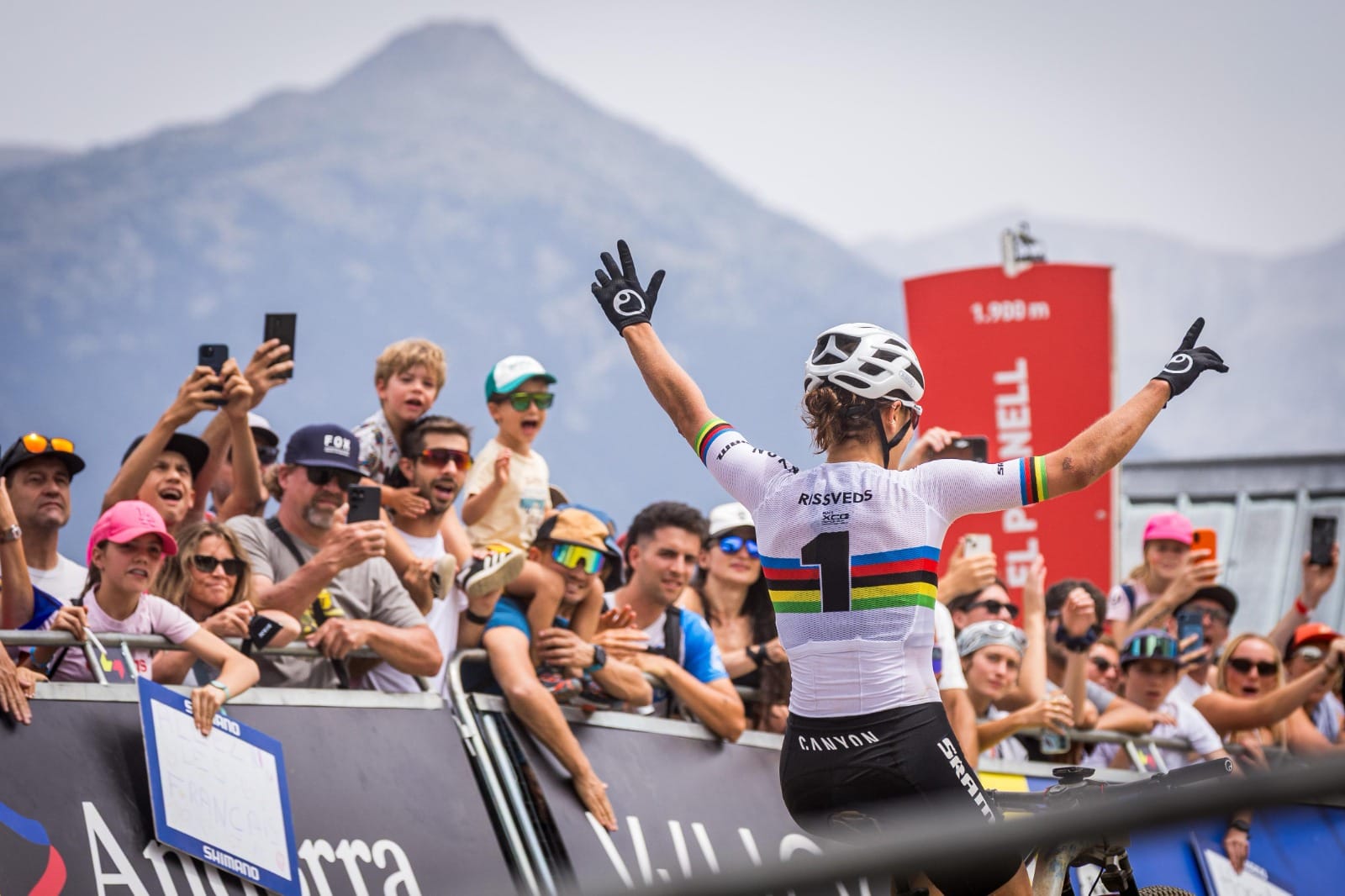
The champion who returned twice
A victory can be a return to form, or it can be something else entirely. For a champion returning from a long absence, a win is not a comeback, but a remaking.
The sport has a long memory, but it is not a sentimental one. It remembers the names and the numbers, the times and the titles, but it quickly forgets the feeling of a rider’s presence in the peloton.
When a great champion steps away, for whatever reason, the pack closes ranks with brutal efficiency. The space they occupied is filled, the lines they chose are taken by others, and the story moves on.
For them to return is one thing; for them to win again is another. For them to dominate is to witness something that history teaches us is nearly impossible.
We have seen this particular shape of a career before, though the instances are rare enough to be remembered by name. The prodigy who arrives, wins everything, and seems destined to define an era, only to vanish from the heights of the sport.
The reasons are often private and profound, far from the simple calculus of injury or waning form. And then, after a period of quiet, comes the slow, uncertain return. The comeback is a narrative we believe we understand, but we are almost always wrong about its nature.
A performance of this magnitude is not simply a display of physical capacity, though that was self-evident. It is a demonstration of a craft relearned and refined in absentia.
To win at this level requires an intimacy with its particular cruelties—the accelerations that feel like a tearing of muscle from bone, the sustained effort that empties the mind of everything but the desire for it to stop. To lose that intimacy is to become a stranger to the sport that made you.
A returning rider performs not like a stranger, but like someone who has come to understand the terrain of their own career as well as they understand any course.
The Fallacy of the Second Act
The conventional wisdom will offer a simple explanation for this. It will say that they have found their old form, that the champion of the past has been restored. This is a pleasingly linear story, one that smooths over the difficult truth of the matter.
But the rider who returns is never the one who left. The time away is not a pause; it is a profound alteration. The sport changes, the equipment evolves, and a new generation of rivals arrives with no reverence for past reputations.
More importantly, the rider herself is changed. The victory that comes after the struggle is weighted differently. It is heavier, carrying with it the knowledge of what it is to be without victory, without the rhythm of the season, without the identity of being an athlete at the peak of one’s powers.
This is why such a win feels so significant. It is not the second act of a career; it is a new book entirely, written by an author who has learned things about her subject that were unknowable the first time around.
Persistence in cycling is usually measured in seasons, in the ability to endure the grind of training and racing, year after year. But there is another, less visible kind of endurance.
It is the endurance required to rebuild not just a body, but a place in the world, to face down the silence where applause used to be. This is the work that happens off-camera, the thing for which no medals are awarded. It is the unseen effort that underwrites a victory of this nature.
That a rider can secure such a win suggests this is no fleeting moment, but a new and stable plateau of mastery. They now join a rarefied collection of athletes whose careers are not simple arcs of ascent and decline, but complex, broken, and ultimately more interesting narratives of loss and reclamation.
They are the ones who teach us that the most formidable opponent is not always the rider on the next wheel, but the echo of a former self.
In ten years, when we look back on this period, the result sheet from a race will simply read as a victory. But for those who understand the context, it will stand as a quiet monument. It marks the moment a great champion proved that it is possible not just to come back, but to come back as someone stronger.
The rider who returns is never the one who left. The time away is not a pause; it is a profound alteration.
It is not the second act of a career; it is a new book entirely, written by an author who has learned things about her subject that were unknowable the first time around.
The most formidable opponent is not always the rider on the next wheel, but the echo of a former self.