
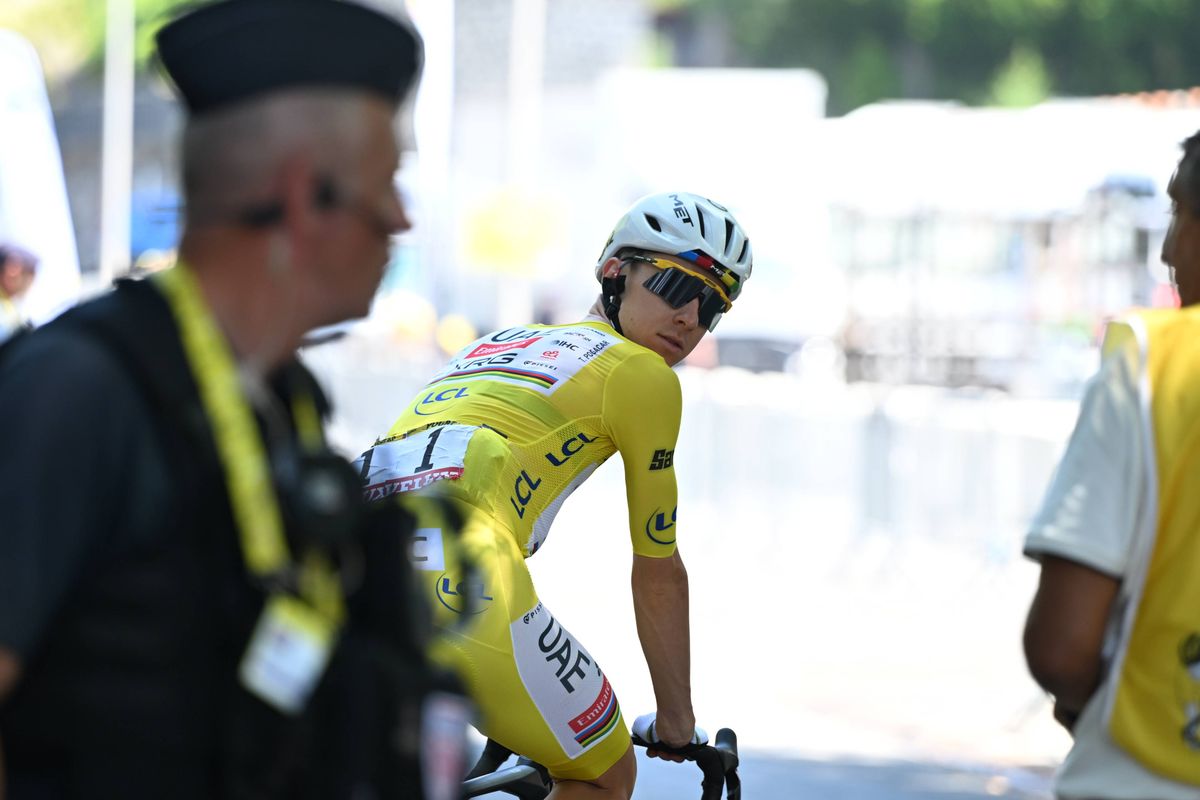
Pogačar's 2026 Vuelta: A royal decree, not a race plan
A prince makes a proclamation. A race gets its headline. The only thing missing is a credible reason for the world's best rider to be there.
A rider's schedule for a race two and a half years away has been announced. Not by his team, not by his agent, but by a hereditary monarch.
Tadej Pogačar, according to Prince Albert II, will start the Vuelta a España 2026. The announcement has been linked to a potential Grand Départ in Monaco, where Pogačar is said to reside.
The story is neat. It is tidy. It is also, from a sporting perspective, functionally meaningless.
This is not a race plan. It is a marketing campaign for a potential Monaco Grand Départ. To understand why, we must ignore the royal pronouncement and look at the cold, hard logic of a professional cycling calendar.
The Case for Believing
The conventional wisdom will tell you this makes perfect sense. If the Vuelta a España, a Grand Tour, brings its start to the doorstep of a Monaco resident like Pogačar, of course he would participate.
It would be a gesture of respect, a homecoming, a perfect narrative for the race organisers and the Principality.
It’s an easy story to sell. A local hero, arguably the biggest name in the sport, commits to a home Grand Départ. It guarantees media attention and justifies the expense of hosting the start.
From a public relations standpoint, it is a flawless move. But public relations and race strategy are two entirely different disciplines.
Follow the Calendar, Not the Prince
No elite cyclist plans their Grand Tour participation 30 months in advance. It is tactical malpractice.
A rider of Pogačar's status builds a season, and a career, around specific, high-value targets: the Tour de France, the World Championships, an Olympic cycle. These are the pillars; everything else is fitted around them based on form, fitness, and team objectives.
To commit to a Grand Tour in late August 2026, before the route has been announced and before the prior two seasons have even played out, is absurd.
What if the 2026 Tour de France is brutally demanding? What if the World Championships that year are his primary objective? What if he suffers an injury in the spring? The variables that can and will change are nearly infinite.
The source of this announcement is the most telling detail. It came from Prince Albert, not UAE Team Emirates. The entity that benefits is Monaco, which has secured its headline attraction.
Pogačar’s name is now inextricably linked to their event, lending it star power from the moment of its own announcement. This is not about sport; it is about securing a return on investment for the hosting rights.
The Economics of a Promise
Consider the commitment itself. It is a verbal confirmation given to a head of state. It is not a UCI registration form or a line item in a contract.
It is a handshake, a soundbite. And it is entirely non-binding.
What happens in August 2026 if Pogačar decides not to ride? He will issue a statement of profound regret. He will cite exhaustion, a change in goals, or a minor injury. He will wish the race well.
And Monaco will have already received two and a half years of marketing value from his name being associated with their event. The value has already been extracted. His actual presence on the start line is almost secondary.
There is zero cost to Pogačar or his team for making this promise.
This is not a race plan. It is a marketing campaign for the Monaco Grand Départ.
Public relations and race strategy are two entirely different disciplines.
The value has already been extracted. His actual presence on the start line is almost secondary.