
Alpe d'Huez is a liability, not a legend
Paul Seixas is right to be afraid. The sport’s most 'iconic' climb has become an unacceptable risk, and nostalgia is no defense against a career-ending crash.
Paul Seixas is worried about the crowds on Alpe d'Huez. Good. Someone has to be.
His concern, voiced ahead of a potential Tour de France 2026 showdown with Isaac del Toro, is not the mild anxiety of a young rider. It is a rational calculation of risk. It is the only sane response to a tradition that has curdled into a dangerous spectacle.
Alpe d'Huez is no longer a sacred battleground. It is a multi-kilometre liability with its famous hairpin bends of chaos.
The romantic view of cycling will push back. It will invoke the legends. It will point to career-defining attacks from previous eras, rides that supposedly embody the spirit of the mountain.
It will speak of the 'wall of sound', the 'parting of the sea of fans', and the unique atmosphere that makes the Alpe what it is. This is the argument from nostalgia, and it is a weak one.
It is an argument that ignores the simple fact that the past is not 2026. The sport is faster. The stakes are higher. The riders are pushing physiological limits that past generations did not.
And the crowds are different. The spectacle has consumed the sport. A fan with a smartphone and a desire for social media validation is a fundamentally different and more unpredictable obstacle than a spectator who came simply to watch a bike race.
Follow the Numbers
Let’s be precise. A professional cyclist's career is a fragile enterprise, balanced on talent, training, and luck. You can control the first two. You cannot control a drunk fan in fancy dress stepping out from behind a flare to take a selfie.
The presence of hundreds of thousands of un-vetted, uncontrolled people on a narrow mountain road is not an atmosphere; it's a catastrophic failure of risk management.
Cycling is the only major global sport that allows its field of play to be so compromised. Imagine allowing fans to wander onto the pitch during a World Cup final or line the track during the 100-metre Olympic final. The idea is absurd.
Yet in cycling, we call it 'tradition' and sell it as part of the charm. It is not charm. It is an anachronism that the sport can no longer afford.
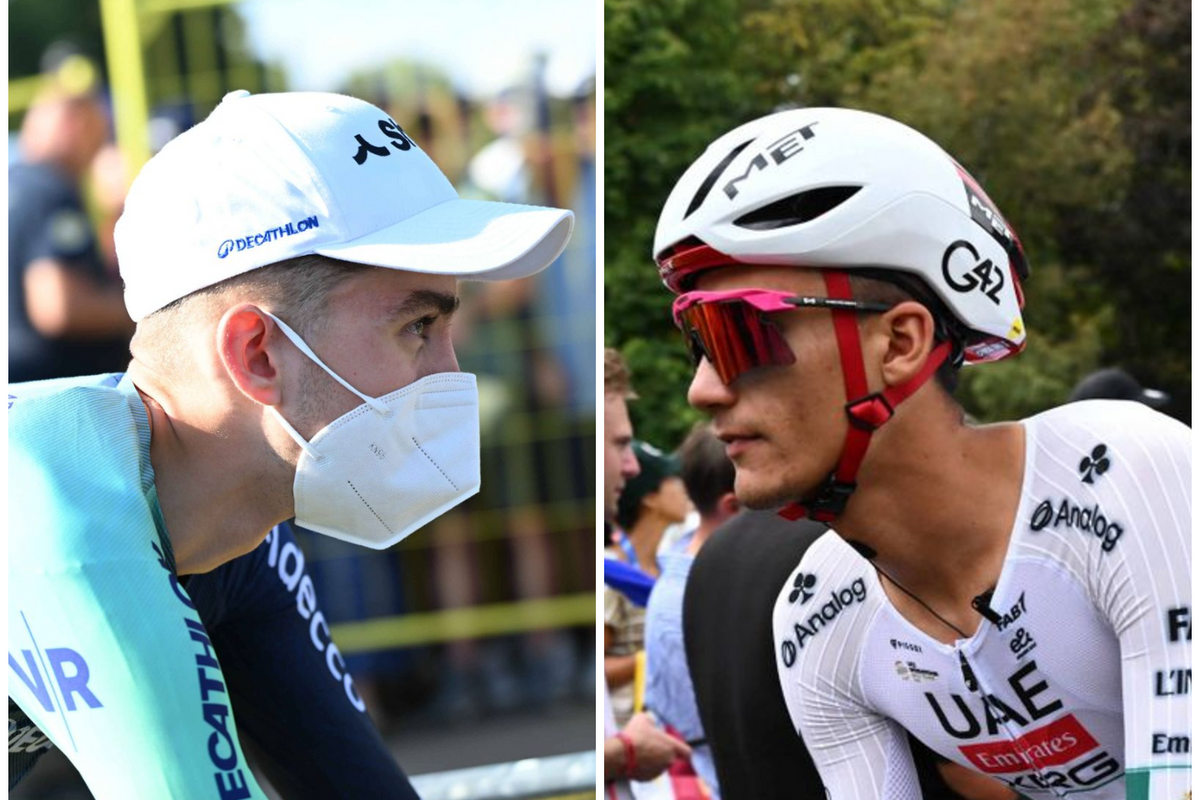
When Paul Seixas of Decathlon CMA CGM Team and Isaac del Toro of UAE Team Emirates-XRG inevitably face off on that climb in the Tour de France 2026, they will be at their absolute physical limit. Their focus will be total.
A swerve of a few inches to avoid a flag, a sudden stop to avoid a stumbling spectator, is the difference between winning a Grand Tour and a broken collarbone. The romance of the sport is a poor substitute for a functioning clavicle.
The Price of Spectacle
The conventional wisdom holds that this chaos is necessary. That it is the price of a free-to-watch sport. This is intellectual laziness. It accepts a dangerous status quo because changing it is difficult.
Barriers can be erected on the final, most crowded kilometres. The number of vehicles allowed on the mountain can be more strictly controlled. The sport's governing bodies could, if they chose, impose a standard of safety that protects their primary assets: the riders.
But they don't. Because the images of the crowd parting like a wave look good on television. Because the myth sells.
The myth, however, does not pay a rider's salary when they are forced into an early retirement because of an entirely avoidable incident.
Seixas's fear is not a sign of weakness. It is a sign of professionalism. He understands the variables. He understands that his duel with Del Toro should be decided by legs, lungs, and tactics—not by the random intervention of a spectator.
He is looking at one of the biggest moments of his future career and seeing not just an opportunity, but an unacceptable hazard.
Alpe d'Huez is not the problem. An uncontrolled environment is the problem. It's time to stop confusing the two.
The legend is not worth the risk. The tradition needs to end.
Alpe d'Huez is no longer a sacred battleground. It is a 13.8-kilometre liability with 21 hairpin bends of chaos.
The romance of the sport is a poor substitute for a functioning clavicle.
The myth does not pay a rider's salary when they are forced into an early retirement because of an entirely avoidable incident.