
When the dream job becomes a punishment
Kim Cadzow’s retirement isn’t a story of failure. It’s a story about a sport that forgets riding a bike is supposed to be fun.
You know the script. A young rider gets the contract, the shiny new bike, the ticket to the big show. They are, officially, 'living the dream'. It’s a dream sold in slick social media edits and breathless press releases, a world of podiums and adoring fans. It’s a powerful narrative that, mostly, keeps the whole circus on the road.
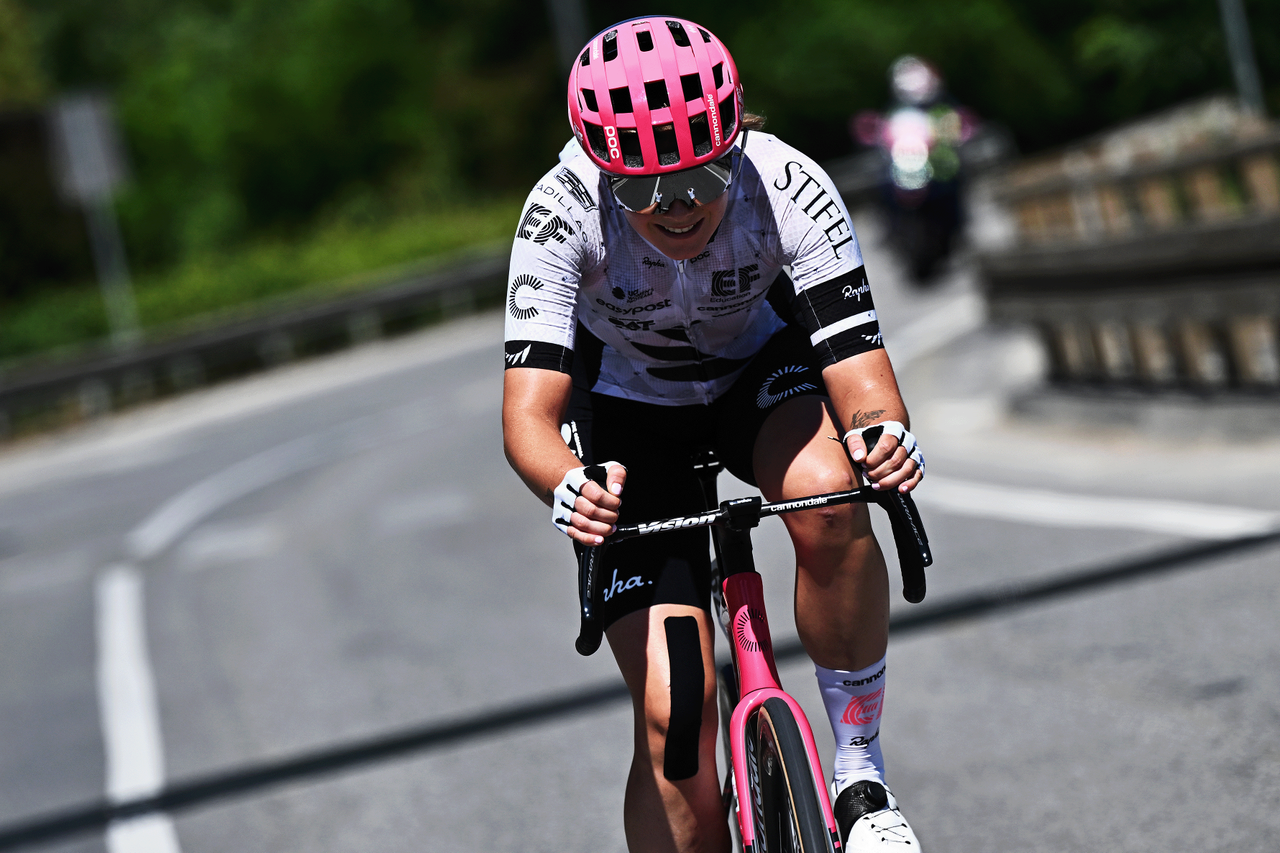
And then, someone pulls back the curtain. This time, it was Kim Cadzow, a young professional rider, who announced she was hanging up her wheels. Not because of injury or poor results, but because, in her own words, riding her bike had become a 'punishment'.
Let that sink in. The very thing that was supposed to be her 'happy place' had become a source of dread. This isn't a quiet exit; it's a flare sent up from inside the machine. Cadzow’s honesty is a bracing reminder that for many, the professional peloton is not the promised land, and the sport is profoundly unequipped to handle the mental and emotional toll it takes on the people who make it.
The Unspoken Job Description
The conventional wisdom says pro sport is hard. That suffering is the point, that mental toughness separates the champions from the rest. And sure, nobody signs a pro contract expecting an easy ride.
But there's a canyon-sized gap between the noble suffering of a mountain stage and the soul-crushing grind of a job that has stripped all joy from a passion.
Away from the cameras, the job is a life dictated by training plans, power meters, and food scales. It's living out of a suitcase in interchangeable airport hotels, thousands of miles from friends and family, isolated by language and the sport's all-consuming nature.
It's the constant pressure to perform, to justify your spot, knowing 100 other riders are desperate to take your place. Your body is no longer your own; it’s a machine to be optimised, fuelled, and repaired. Fun doesn't factor into the equation.
Cadzow's statement cuts through the PR because it names the feeling, not the process. We hear riders talk about 'the work' and 'the sacrifice' – it’s part of the approved vocabulary.
But 'punishment'? That’s a word from a different, darker lexicon. It suggests a relationship with the sport that has become toxic, a daily transaction of pain with no emotional reward.
A System Built for Bodies, Not People
Why does this happen? Because the entire structure of professional cycling is built around extracting physical performance. Teams invest in bikes, training camps, nutritionists, and aerodynamicists. They are less invested in the person pedalling the bike.
The pressure to conform is immense. Admitting you’re struggling, that you’re not happy, is often seen as a sign of weakness in a sport that worships strength. The culture is one of 'put up or shut up'.
You’re lucky to be here, remember? So you smile for the Instagram post, thank the team in the post-race interview, and push the doubts down, hoping they’ll go away.
Most of the time, they don’t. They curdle into resentment, anxiety, and burnout. For every rider who makes it, countless others quietly disappear, their love for the bike extinguished by the job. The difference is that Cadzow had the courage to say it out loud on her way out.
Her departure isn't a tragedy. The tragedy is a system that takes something as pure and joyful as riding a bicycle and turns it into a form of punishment. It's a professional structure with little room for human frailty, for doubt, for the admission that this isn't the dream for everyone.
Cadzow walking away isn’t a failure on her part. It’s a failure of the sport to create an environment where a young athlete can thrive as a person, not just a set of power-to-weight numbers.
She didn't lose the race; she just decided to stop playing a game where the cost was too high. And finding the courage to reclaim your own happiness? That is the only victory that truly matters.
The tragedy is a system that takes something as pure and joyful as riding a bicycle and turns it into a form of punishment.
She didn't lose the race; she just decided to stop playing a game where the cost was too high.