
Galfer's new Shark Evo rotors get thicker to fight brake fade
Galfer is targeting better heat management with its new Shark Evo rotors, moving to a 2 mm thickness and a redesigned floating construction. It’s a solid engineering approach, but how does it stack up on value?
In the endless arms race against brake fade, component brand Galfer has unveiled its latest weapon: the Shark Evo rotor.
While product launches are often a storm of marketing adjectives, the core story here is a simple, physical one. Galfer is making its rotors thicker and redesigning them to better manage the enemy of every long descent: heat.
What's actually new?
The headline feature is a simple one: the new rotors are 2 mm thick. This is a direct engineering choice aimed at improving thermal performance, as a thicker rotor acts as a bigger heat sink.
It takes longer to get hot and, in theory, offers a more stable and consistent lever feel on long descents where thinner rotors might start to feel spongy or lose power.
Galfer pairs this with a floating design. The brake track is joined to a separate centre carrier, and because the two parts are made of different materials that expand at different rates, letting the brake track 'float' allows it to expand and contract without warping.
The redesign also includes an increased brake track size and more laser-cut cooling fins, which Galfer says improve braking friction and heat resistance. The entire brake track is tempered after cutting, a heat-treatment process that increases hardness and durability.
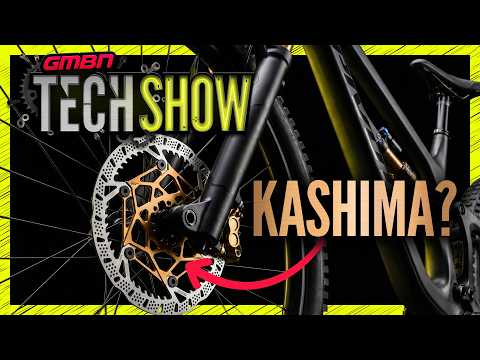
Rounding out the package are three available finishes for the centre carrier, including a Kashima-coated option for matching top-tier suspension.
Does it matter?
For enduro racers, e-MTB riders, or anyone who frequents a bike park, this matters. The move to thicker, more robust rotors is a clear industry trend, responding to more powerful brakes and steeper, longer trails.
A 1.8 mm rotor, long the standard, can be quickly overwhelmed by a heavy, aggressive rider.
The floating design is a smart way to deliver the thermal benefits of a thicker rotor while mitigating weight penalties and warping. It’s a proven concept, and Galfer’s execution appears to be a focused effort to solve a real-world problem.
The choice of finishes, particularly the Kashima coat, is a nice touch that speaks to a premium market and allows for aesthetic customisation. It won't make you faster, but it shows an attention to detail beyond pure function.
The Catch, and the Unknowns
While the engineering is compelling, a full assessment hinges on details like price and weight. Most importantly, Galfer has not provided specific weight figures.
Without numbers to compare against its predecessor or key rivals, it's difficult to assess any weight implications of the new design. And without specific pricing to hand, it’s impossible to judge its value.
The move to a 2 mm thickness also brings a critical compatibility check. Not all brake callipers have a wide enough slot to accept a thicker rotor. Potential buyers must confirm their callipers have the necessary clearance to avoid a frustrating installation or constant brake rub.
The Galfer Shark Evo rotor appears to be a thoughtfully designed component aimed at improving braking performance. The focus on thermal management through a thicker, floating design is the right approach for demanding riding.
However, with no weight figures provided, and without specific pricing to hand to assess its value, it remains an interesting development rather than a definitive recommendation.
The move to thicker, more robust rotors is a clear industry trend, responding to more powerful brakes and steeper, longer trails.